Navigating student accommodation can be exciting—but it also comes with risks that many young people don’t fully anticipate. At Housing Rights (Young People’s Project), we’ve supported thousands of young people, including students, who rent privately or live in purpose-built student accommodation such as student halls.
Unfortunately, student housing contracts can be far more complex than typical rental agreements. Housing Rights has experienced significant issues with helping students in this type of accommodation.
Why Student Housing Can Be Complicated
Many students sign tenancy agreements months before their course even begins. At that stage, it’s difficult to predict what changes will occur after starting university or college. Students will typically move into their accommodation in August/September, shortly before term begins.
We regularly see students facing unexpected challenges after moving in, including:
- Changing or leaving their course
- Financial difficulties, especially during the cost of living crisis
- Personal circumstances such as family illness or bereavement
These situations can make it impossible or unnecessary for a student to remain in their accommodation. Many decide to leave their contracts as a result. However, this is an area where we have seen significant issues.
Fixed-Term Contracts
Most student accommodation agreements are fixed-term contracts. This means that once signed, the student is legally responsible for paying rent until the end of the agreed period. Regardless of any changes in their circumstances.
In practice, this can lead to unfair outcomes. Students may find themselves paying for accommodation they no longer need or cannot afford, often at a high cost. This can also put their guarantor at risk. A guarantor is normally a parent who has signed the agreement; they are liable for any unpaid rent and may not be prepared/ in a position to afford this cost.
Limited Support and Accountability
Housing Rights has made efforts to work with student accommodation providers to find fair, practical solutions when issues arise. Unfortunately, many providers have been unwilling to engage in discussions or allow third-party mediation. This leaves our clients stuck with little room for discussion on serious issues affecting their housing.
Providers typically expect students to source their own replacement tenant. Housing Rights has reviewed several contracts in which this term is included in cancellation policies. Unfortunately, in our experience, it can be extremely difficult to find a replacement tenant during term time, and any proposed replacement must meet the providers' criteria (e.g., credit checks).
Another concern is the lack of oversight. Currently, there is no clear governing body for many student accommodation providers. As a result:
- Complaints processes are limited to internal managers.
- Limited remedy for concerns.
- Legal action is often the only route—yet it is expensive, time-consuming, and rarely practical.
Housing Rights has contacted Trading Standards for their input on contractual issues. Unfortunately, students would need a judge's decision to formally dispute liability. Litigation is expensive and risky, Housing Rights would not advise anyone to consider doing so lightly.
The Risks of Falling Behind on Rent
Since many students leave their accommodation while the contract is still active, their rent goes unpaid. Since this is a breach of the agreement, providers may take further action, including involving debt collection agencies. This can have serious long-term consequences for a student’s financial future, affecting credit ratings and future renting opportunities.
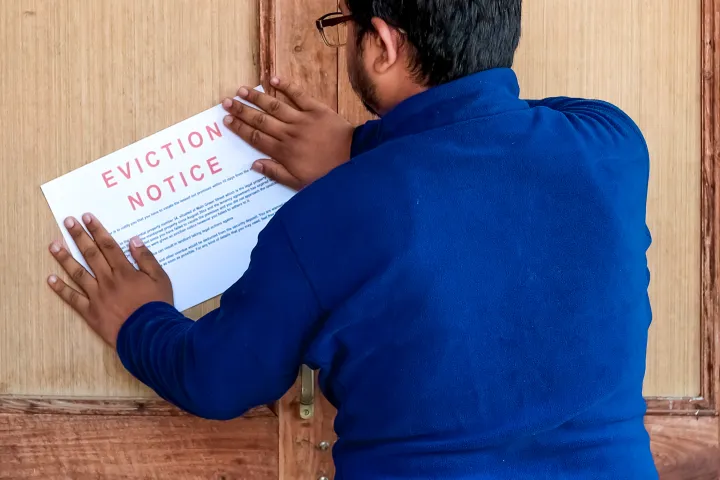
While breaching the agreement also carries the risk of eviction, we have rarely seen it occur in practice. It is more common for providers to instruct debt collection agencies and to commence legal procedures to recover the debt. We suspect that eviction is not in the provider's best interest since it can be incredibly difficult to find a replacement tenant after the term has begun.
Our Advice Before You Sign
If you’re considering student accommodation, it’s essential to take a cautious and informed approach:
- Check affordability carefully – Make sure you can cover rent and living costs for the full term of the contract. Ideally, set aside savings for emergencies, especially if you are leaving home for the first time.
- Understand the contract – Be clear on your obligations and what happens if your situation changes. Contact us in advance of signing for advice on anything you or your guarantor doesn’t understand.
We’re Here to Help
At Housing Rights, we’re here to support you before and after signing your contract. If you have any concerns, we strongly encourage students and their guarantors to reach out for advice.